The Future of Global Purchasing through Digital Kits

Localizing the Digital Shop for 2026 Worldwide Markets
International commerce in 2026 has moved previous simple currency conversion. Buyers in different areas now expect a checkout procedure that feels native to their particular location, culture, and banking practices. A retail operation attempting to offer into Japan utilizing a standard North American checkout design template typically deals with abandonment rates exceeding 80 percent. The difficulty depends on the subtle distinctions of information entry, address format, and local payment trust signals.Multi-channel circulation methods now require a merged backend that can adapt its frontend presentation based on the buyer's IP address and validated identity. Retailers are moving away from monolithic platforms toward modular architectures. This permits a service to use agile checkout modules that can be switched out or upgraded without taking the entire store offline.Address validation is a primary friction point. In 2026, lots of areas have approached digital identity tokens for shipping, yet many checkout streams still require manual entry of street names and postcodes. Requiring a client in a high-density urban center in Southeast Asia to complete a Western-style address kind is a quick way to lose a sale. Modern streams usage predictive area services that deal with an address with 2 or 3 taps.
Adapting to Regional Payment Preferences and Digital Wallets
The supremacy of traditional charge card continues to wane. In 2026, the international payment map is fragmented into regional digital wallets and decentralized finance options. In Brazil, PIX-style immediate payments are necessary for any severe seller. In parts of Europe, account-to-account (A2A) transfers have actually surpassed plastic. If a checkout flow does not prominently feature the favored local wallet on the very first screen, the viewed threat for the consumer increases.Consumer trust is developed through familiarity. When a buyer sees a localized trust badge or a familiar local bank logo, the psychological barrier to buy drops. Successful global sellers frequently use localized payment gateways to make sure that every transaction is processed through a domestic acquirer. This not only increases approval rates but likewise lowers the foreign transaction charges that typically aggravate consumers when they see their final bank statement.Sustained development in new markets often requires proficiency in Self-Service Portals to ensure technical stability across areas. Without a stable technical structure, the most advanced payment alternatives will fail if the latency between the consumer's device and the server goes beyond 200 milliseconds. Speed is a currency of its own in 2026.
Openness in Duties, Taxes, and Landed Expenses
Cost transparency stays the most considerable consider cross-border conversion. Nothing eliminates a customer's loyalty much faster than a "shipment responsibility unpaid" (DDU) notification where they need to pay extra costs at the doorstep. In 2026, the requirement for excellence is the "shipment duty paid" (DDP) design, where every cent of tax, custom-mades, and shipping is determined in real-time and provided before the final click.Calculating these expenses needs a deep integration with international trade databases. These systems need to account for the current 2026 trade contracts and regional tax changes. Modern companies frequently carry out Efficient Global Logistics to handle unexpected spikes in global traffic and make sure that tax calculations stay precise throughout high-volume periods.The checkout flow need to clearly break down these expenses. Instead of a vague "shipping and handling" line product, effective retailers show an in-depth breakdown. This clarity prevents "sticker label shock" and decreases the volume of customer care inquiries. When clients see exactly what they are paying for, they feel a sense of control over the transaction, which is necessary for high-ticket international purchases.
Multi-Channel Distribution and Social Commerce Integration
Retailers are no longer restricted to their own websites. In 2026, a substantial part of cross-border sales happens within social networks apps, messaging platforms, and third-party markets. Each of these channels requires a specific checkout reasoning. A client buying a product through a video stream on a social platform anticipates a two-tap purchase. They do not wish to be rerouted to an external web browser window where they need to re-enter their information.This fragmentation of the sales funnel implies the checkout flow need to be portable. Headless commerce permits the "cart" to follow the user throughout different touchpoints. A user might begin a cart on a desktop at work, add a product through a voice assistant throughout their commute, and finish the purchase on a tablet at home.Managing this level of intricacy needs a sophisticated method to data synchronization. The rising interest in Client Loyalty within B2B reflects a wider shift toward regionalized logistics and distributed order management. Each channel may have different inventory levels or shipping speeds, and the checkout flow should reflect these truths in real-time to avoid overselling.
Optimizing Mobile Checkout for High-Latency Environments
Mobile stays the primary device for worldwide consumers, especially in emerging markets where desktop use is minimal. However, mobile information speeds are not consistent internationally. A checkout flow that is heavy with large JavaScript files or high-resolution imagery will stop working in areas with spotty 5G protection or saturated 4G networks.Optimization in 2026 includes server-side making of checkout elements. By moving the heavy lifting away from the user's gadget, the checkout page loads practically immediately. Minimizing the number of HTTP demands during the lasts of the deal is essential. Every extra second of loading time correlates with a measurable drop in effective payments.Biometric authentication has changed the password for the majority of mobile checkouts. Integrating with native gadget features like face or fingerprint recognition is now a baseline expectation. This not just accelerates the procedure but also provides a layer of security that is much more difficult to spoof than standard text-based qualifications.
Minimizing Scams Without Increasing Friction
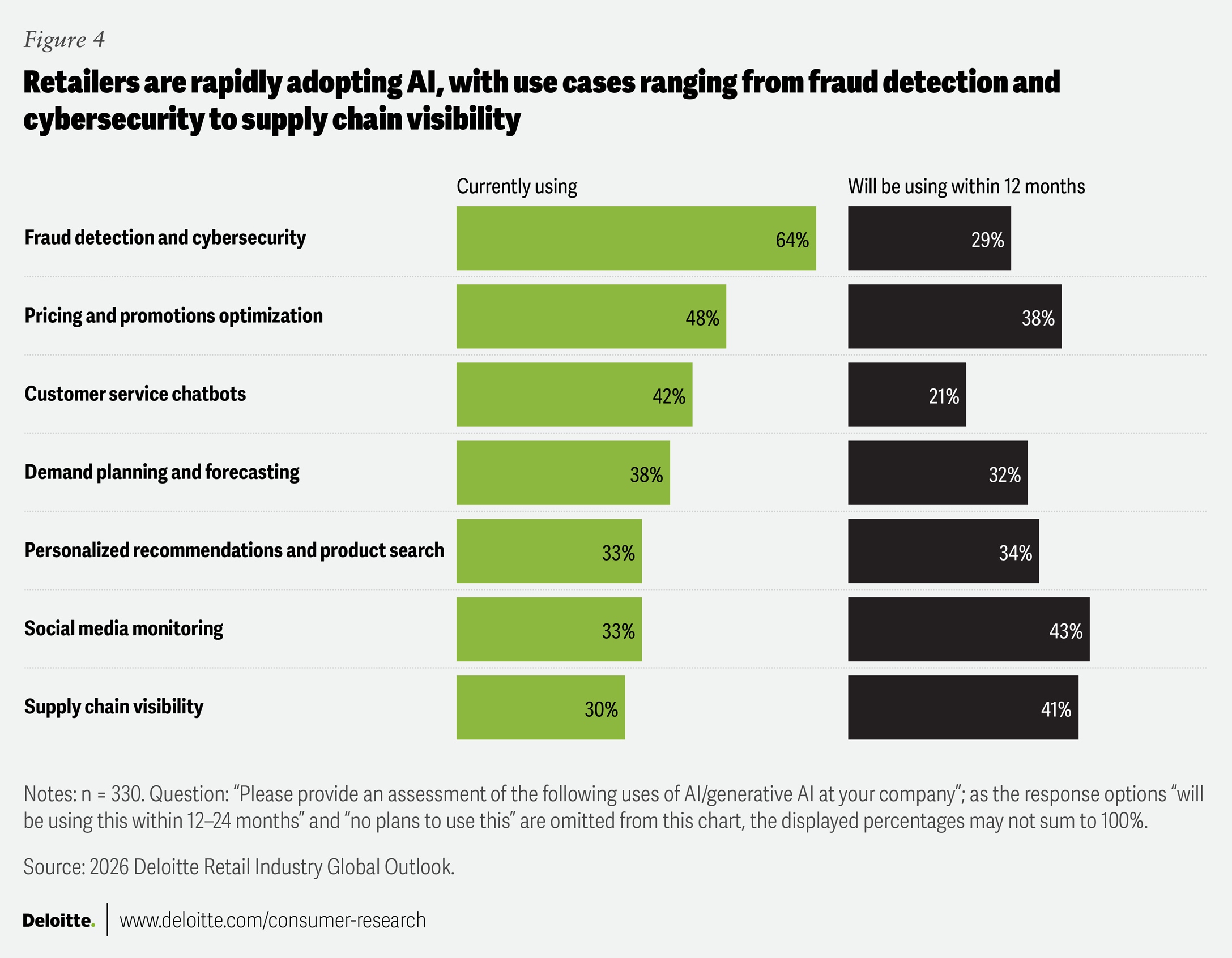
Cross-border sales are typically flagged by legacy scams detection systems due to the inequality between the shipping address and the card's releasing country. In 2026, AI-driven fraud prevention analyzes numerous information points-- from typing rhythm to device hardware signatures-- to verify identity without requiring the user to resolve puzzles or wait for SMS codes.The objective is "unnoticeable security." If a deal looks suspicious, the system must set off a step-up authentication that is still easy to use, such as a quick biometric check. Requiring every worldwide client through a strenuous verification procedure will safeguard the merchant from scams but will also damage the conversion rate.Retailers are utilizing advanced risk scoring engines to differentiate in between high-risk areas and high-value clients. These engines learn from worldwide patterns, recognizing that a specific purchasing pattern in one nation may be perfectly typical while in another it represents a taken identity. Data-sharing networks in between merchants have actually become more common, permitting a collective defense against arranged retail criminal activity.
The Role of Language and Cultural Nuance in Checkout
Localization is more than just translating "Buy Now" into another language. It involves understanding how various cultures view urgency, worth, and personal privacy. Some cultures choose an extremely in-depth confirmation page that notes every specification of the item, while others prefer a minimalist style that stresses the speed of delivery.Date formats, currency symbols, and even the color of the "total purchase" button can affect habits. In some markets, green represents success, while in others, it may be associated with different principles. In 2026, A/B screening is typically performed on a per-region basis rather than globally. What works for a client in Berlin will rarely be the optimal solution for a consumer in Mexico City.Using regional design frameworks assists keep brand name consistency while permitting these needed regional modifications. The architecture should be versatile enough to permit regional groups to fine-tune the UI without breaking the core reasoning of the transaction engine.
The Importance of Post-Purchase Communication
The checkout circulation does not genuinely end up until the package is in the client's hands. For cross-border sales, the "order success" page is just the beginning of a high-anxiety period for the shopper. Providing a clear, localized tracking website is vital. Customers need to see where their bundle remains in the international logistics chain, including when it clears custom-mades and when it is handed off to a local courier.In 2026, these updates are typically delivered through local messaging apps like WhatsApp, WeChat, or Line, rather than email. Automated alerts must be in the consumer's native language and ought to provide clear instructions if any action is required, such as determining a safe drop-off location.A smooth return process is also a part of the checkout's long-term optimization. If a worldwide client understands that returning a product is tough, they will be much less likely to complete the preliminary purchase. Providing local return hubs or pre-paid global return labels can be the deciding aspect for a hesitant buyer.By focusing on these technical and psychological aspects, merchants can construct a cross-border method that thrives in the complicated environment of 2026. Success is discovered in the information of the transition from a global brand to a regional shopping experience.
Need Professional Tree Surgery Services?
Our certified arborists are ready to help with all your tree care needs. Get expert advice and a free consultation today.
Request Free Quote