Optimizing Online Search Rankings for Proven Growth
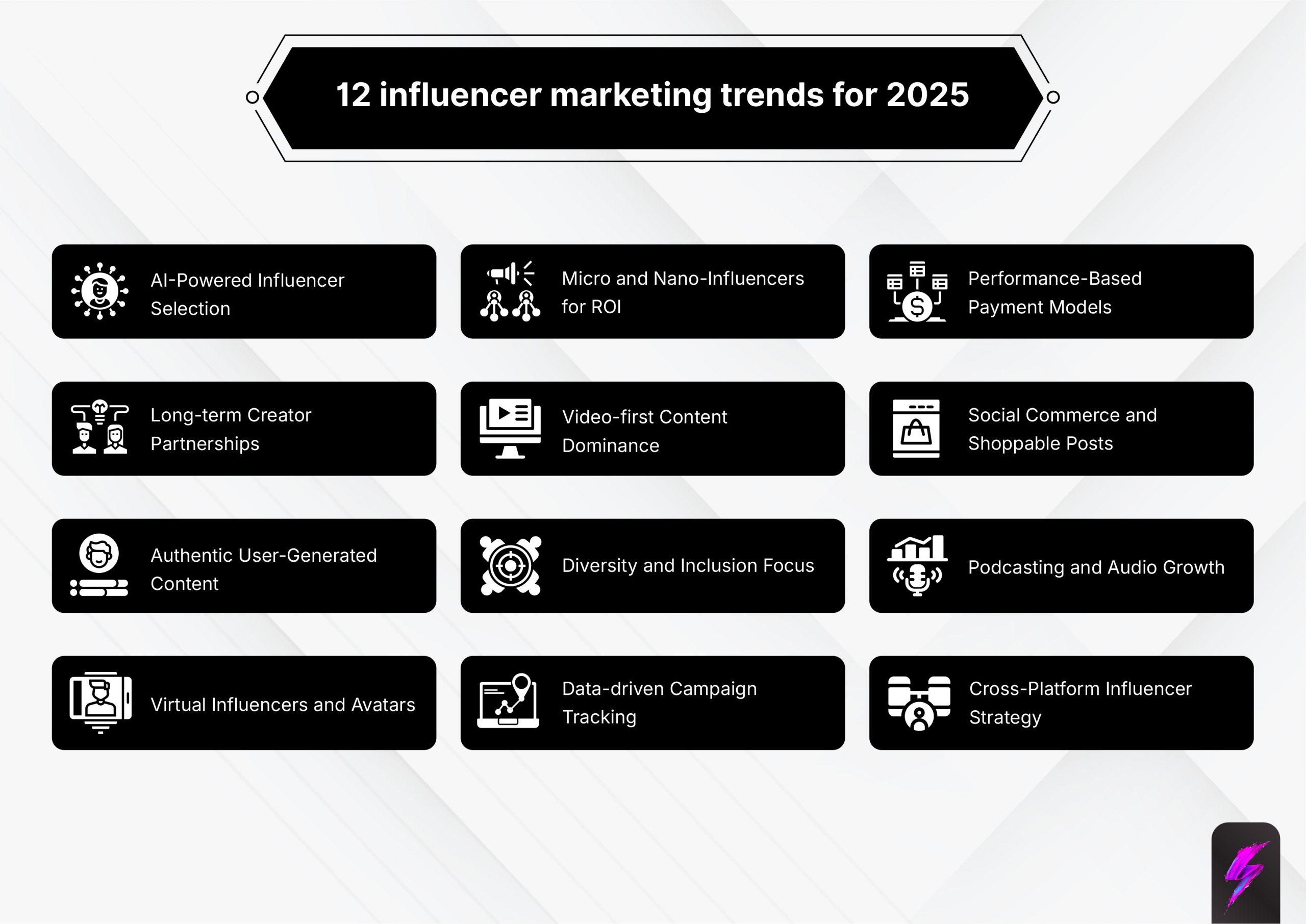
Summary Influencer marketing has developed considerably over the past years. It's expanded beyond celebrities to include social networks influencers who cultivate genuine connections and influence purchase choices and brand name track record. Understanding the kinds of influencers, from mega to nano along with brand fit, is important for brand names to choose the ideal partners.
Typical influencer marketing errors to prevent include failing to specify clear objectives and expectations, focusing on follower-count over engagement, overlooking influencer research study and sharing unclear briefs. Influencer marketing has actually become a foundation of successful social strategies. According to the State of Influencer Marketing Report, nearly all customers (86%) make a purchase influenced by an influencer at least once a year.
Today, a vast environment of developers and influencers flourishes across many social platforms. While follower counts vary, their power depends on the capability to cultivate genuine connections and drive culture within specific niche communities, directly affecting brand name engagement and driving concrete income. A well-defined and tactical approach to influencer marketing is paramount for brands to break through the sound throughout organic and paid channels.
Anticipating Consumer Behavior with Data Strategy Tools in 2026Enhancing User Lifecycle to Boost Effective Results
Influencer marketing is a social media marketing approach that utilizes recommendations and product points out from influencers. Influencer marketing works since of the high trust social influencers have developed with their following over time.
Understanding the tactical differences between affiliate marketing vs. influencer marketing is crucial to deciding whether to prioritize instant sales or long-lasting brand reliability, to name a few benefits. Partnering with an influencer with millions of followers may seem like a dream come to life, but they might not be the best suitable for your brand.
Others boast smaller but more targeted and engaged neighborhoods. Knowing what each type of influencer can offer you in terms of reach, range, expense and engagement is key to choosing the ideal ones for your brand name. Tactically balancing these various tiers needs a nuanced technique to your wider influencer partnerships, as the management style for a star typically varies substantially from the hands-on cooperation required for a nano-influencer.
Their celeb status allows them to captivate a diverse audience, making them ideal for massive brand awareness projects. Think: Cristiano Ronaldo. Mega influencers can offer your brand name unrivaled direct exposure, however partnering with them can be incredibly pricey. Plus, because their audience is frequently broad, their engagement rates might not be as high as influencers with smaller, more specific niche followings.
These influencers have made their credibility through consistent material production and engagement in time, and are now thought leaders in their niche. Macro-influencers offer a more targeted method compared to stars, as their followers typically share common interests. Collaborating with macro-influencers can supply your brand name with considerable reach, however it may still be fairly pricey depending on your spending plan.
Anticipating Consumer Behavior with Data Strategy Tools in 2026Step-by-Step Digital Analytics Tutorials for Growth
These influencers normally have a strong existence on particular platforms, like Instagram, YouTube and TikTok. Marketers like dealing with micro-influencers as they captivate a specific niche, enthusiastic audience with their creative material, relatable recommendations and genuine interactions. They're also more cost effective than larger influencers. Nano-influencers have in between 1,000 to 10,000 followers.
While they offer a smaller reach, nano-influencers can be outstanding partners for organizations who desire to target specific communities and demographics without breaking the bank. Per the newest Influencer Marketing Center data, 44% of brands choose to partner with nano influencers in 2024, compared to 39% in 2023.
This means more tailored content for your brand and individual relationships within niche audiences and communities. They are ideal for services such as: Local services targeting particular communities, cities or regions Small companies with minimal budgets that wish to run cost-efficient projects Artisan, home-based or speciality food businesses reaching a specific niche audience thinking about their one-of-a-kind products Influencer marketing can be an exceptionally effective marketing tool for you, and brand names are already utilizing it to their benefit, as these influencer marketing examples show.
Advanced Data-Driven Metrics Strategies for 2026
Not surprisingly, the influencer marketing market is expected to reach a record high of U.S. $33 billion in 2025, according to Statista. Here are more reasons that you need to add influencers to your marketing mix. Teaming up with an influencer draws a wider audience to your brand name. By featuring your brand in their content, these key opinion leaders introduce it to new audiences who might not have recognized with it.
Need Professional Tree Surgery Services?
Our certified arborists are ready to help with all your tree care needs. Get expert advice and a free consultation today.
Request Free Quote